The Dawn of a New Era: Pentagon's Bold Drone Strategy
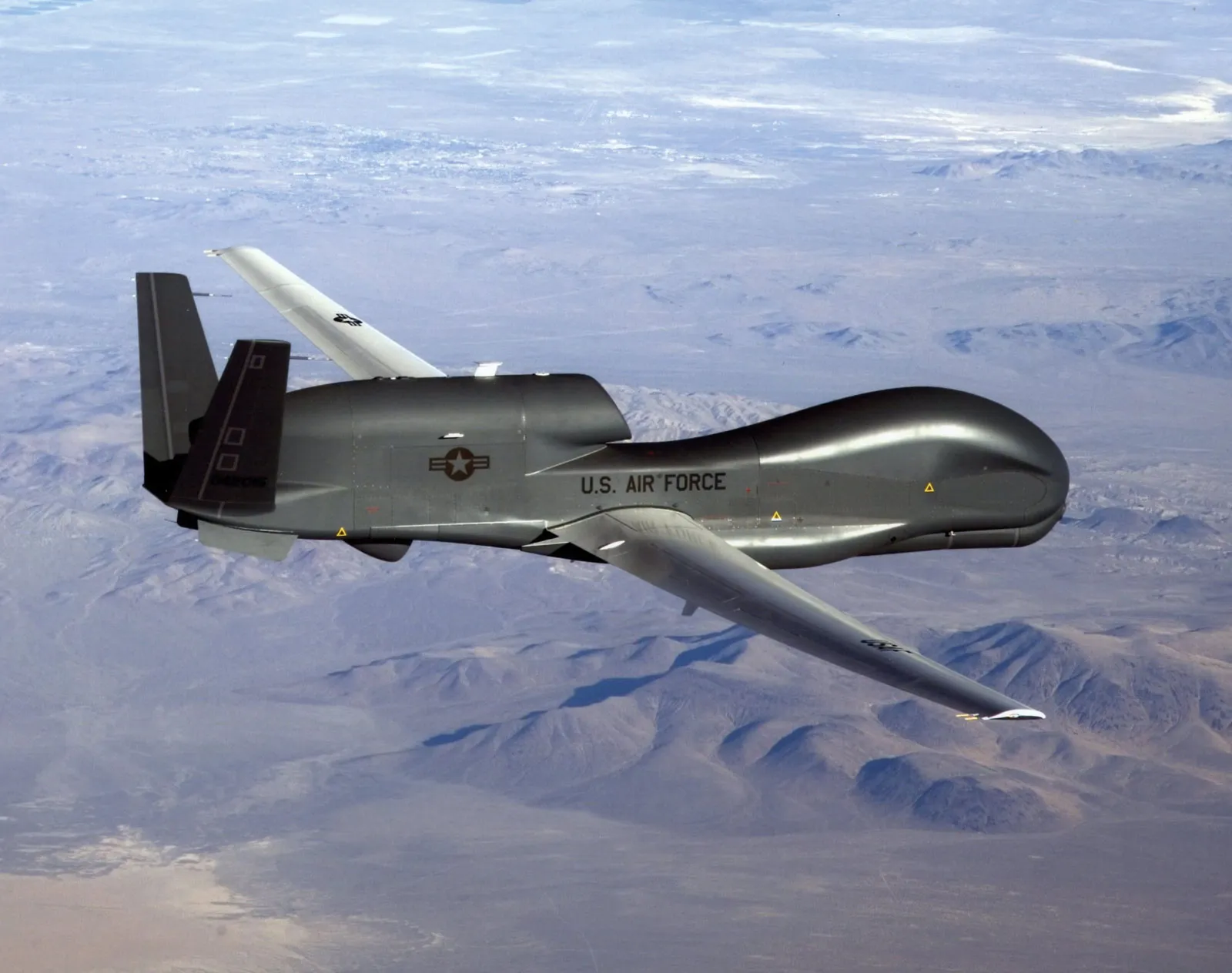
The landscape of modern warfare is rapidly evolving, and at the forefront of this transformation lies unmanned aerial vehicle (UAV) technology – drones. The Pentagon has recently rolled out a new, comprehensive drone policy, signaling a decisive move to not only maintain but actively enhance U.S. military dominance in this critical domain. This policy isn't just about acquiring more drones; it's a multifaceted strategy encompassing development, deployment, training, and ethical considerations.
Streamlining Acquisition and Deployment
One of the key pillars of this new policy focuses on streamlining the acquisition and deployment processes. Historically, bureaucratic hurdles and lengthy approval times have hampered the rapid integration of new drone technologies into the armed forces. The updated policy aims to dismantle these barriers, allowing for faster procurement and deployment of cutting-edge drone systems. This includes establishing clear pathways for innovation and collaboration with private sector companies, fostering a competitive environment that drives technological advancements.
Expanding Operational Capabilities
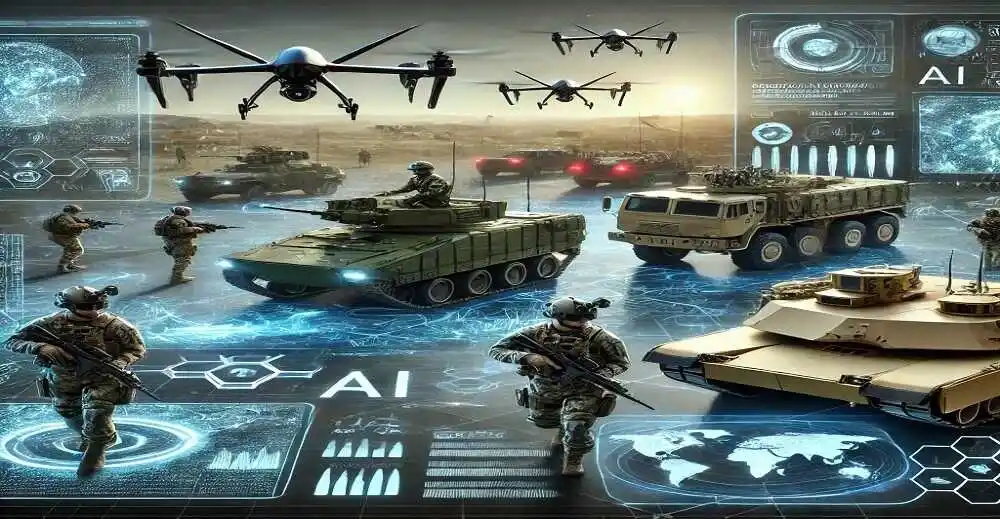
Beyond acquisition, the policy emphasizes expanding the operational capabilities of U.S. military drones. This means equipping drones with advanced sensors, enhanced communication systems, and improved artificial intelligence (AI) capabilities. The goal is to create a fleet of drones capable of performing a wide range of missions, from reconnaissance and surveillance to targeted strikes and electronic warfare. Imagine a scenario where a network of drones, operating autonomously and collaboratively, provides real-time situational awareness to ground forces, enabling them to make more informed decisions and respond more effectively to threats.
Investing in Training and Expertise
The most sophisticated drone technology is useless without skilled personnel to operate and maintain it. Recognizing this critical link, the Pentagon's new policy includes a significant investment in training and education programs. This encompasses not only training drone operators but also developing a cadre of experts in drone maintenance, cybersecurity, and data analysis. These programs will ensure that the U.S. military has the human capital necessary to effectively utilize its drone fleet and stay ahead of adversaries in this rapidly evolving field.
Addressing Ethical Considerations
The increasing use of drones in warfare raises important ethical considerations. The Pentagon's new policy acknowledges these concerns and seeks to address them proactively. This includes establishing clear guidelines for the use of lethal force by drones, emphasizing adherence to international law and minimizing civilian casualties. The policy also promotes transparency and accountability in drone operations, helping to build public trust and maintain the moral high ground. The goal is to ensure that the use of drones is consistent with American values and ethical principles. This also means investment in research into advanced AI that can make ethical decisions on the battlefield, minimizing human error and bias.
International Implications
The implications of the Pentagon's new drone policy extend far beyond U.S. borders. The policy is likely to trigger a global arms race in drone technology, as other nations seek to develop their own capabilities to counter U.S. dominance. This could lead to increased instability and conflict in various regions of the world. The United States must therefore engage in diplomatic efforts to promote responsible drone use and prevent the proliferation of this technology to rogue states and terrorist organizations.
Maintaining the Edge: The Future of U.S. Drone Power
The Pentagon's new drone policy represents a bold and decisive step towards solidifying U.S. military drone dominance. By streamlining acquisition, expanding operational capabilities, investing in training, and addressing ethical concerns, the policy sets the stage for a new era of unmanned warfare. While challenges remain, including the need to address international concerns and maintain a technological edge, the U.S. military is poised to remain at the forefront of drone technology for years to come. This policy is not just about drones; it's about ensuring the United States maintains its strategic advantage in a rapidly changing world.